Pro IPTV: Understanding, Implementation, and Optimization 4k
Pro IPTV Television has changed a lot over the years. You used to rely on big cable boxes or satellite dishes to watch shows. Now, pro IPTV steps in as a smart way to send TV signals over the internet. Pro IPTV means professional Internet Protocol Television, built for places like hotels, offices, or schools. It’s not the same as basic Pro IPTV you might use at home for cheap streams. This setup handles big crowds and keeps things running smooth. Businesses turn to it to cut costs and boost what they offer guests or staff. If you run a hotel or campus, getting Pro IPTV right can make your service stand out. Let’s break down how it works and why it matters.
Understanding the Core Technology of Pro IPTV Systems
Pro IPTV uses internet tech to deliver TV in pro settings. It beats old cable by being flexible and cheap to scale. You get live channels and on-demand videos without messy wires everywhere.
What Separates Pro IPTV from Standard IPTV?
Pro IPTV shines in tough spots where regular Pro IPTV might fail. It focuses on rock-solid reliability so streams don’t drop during peak hours. Scalability lets you add more users without a full rebuild.
Think of it like this: home Pro IPTV is a single bike for casual rides. Pro IPTV is a truck fleet for heavy loads. It includes strong QoS to ensure clear video even on busy networks. DRM keeps content safe from pirates, a must for paid channels. In hotels, this means guests watch premium sports without glitches. Stats show pro systems cut downtime by 70% over basic ones. You avoid fuzzy pictures that annoy paying customers.
Essential Hardware Components in a Pro IPTV Setup
Hardware forms the backbone of anyPro IPTV system. Encoders turn video feeds into digital streams ready for IP networks. Decoders at the other end unpack those streams for TVs.
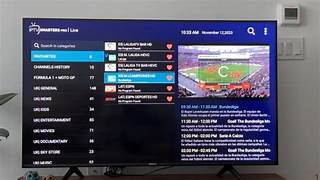
Headend servers manage all the content flow, like a central brain. They pull in signals from satellites or cables and sort them. Content management systems track what plays where and when. Set-top boxes sit by TVs, decoding signals for display. Smart TVs can skip boxes if they support the apps.
Network gear matters too. Switches handle data traffic without jams. Fiber cables carry high-speed streams to avoid lag. In a big office, this setup supports 500 users watching 4K at once. Pick gear from brands like Cisco for long-term wins. Without solid hardware, yourPro IPTV dreams crash fast.
IP Protocols and Streaming Standards Utilized
Protocols makePro IPTV tick. RTMP works great for live events, pushing real-time feeds quick. HLS suits on-demand videos, breaking them into chunks for smooth play.
MPEG-TS over IP handles broadcast channels in closed networks. It’s reliable for multicast, saving bandwidth in big groups. For live news in a school, RTMP keeps it instant. VOD libraries use HLS to let users pause and rewind.
You choose based on needs. Live sports need low delay, so RTMP fits. Movies can take HLS for better device support. These standards ensure Pro IPTV runs on most setups. Test them in your network to match your speed.
Planning and Designing a Scalable Pro IPTV Infrastructure
Good planning turns chaos into order for Pro IPTV . Start early to avoid costly fixes later. You map out needs so the system grows with your business.
Audience Analysis and Content Mapping
Know your crowd first. In a hotel with 200 rooms, plan for 150 streams at peak. Count how many channels you need, from news to movies.
Map content to fit. Sports fans want ESPN; families pick Disney. Bandwidth ties to quality—1080p needs 5 Mbps per stream, 4K jumps to 25 Mbps. For a campus, add educational videos.
Tip: List user types and peak times. A 300-room hotel might need 1 Gbps total. This step saves money and keeps everyone happy. Skip it, and you’ll overload the system.
Network Preparation and Quality of Service (QoS) Configuration
Prep your network like you would a highway for rush hour. Use VLANs to keep video traffic apart from emails or web surfing. This stops interference.
Set QoS rules to bump video packets ahead. DSCP tags help routers prioritize them. In a hotel, segment floors so guest Wi-Fi doesn’t hog lines.
Example: A chain with 50 locations uses QoS to cut buffering by 80%. Check switches for support. Test loads before launch. Strong QoS means no frozen screens during big games.
Content Ingestion and Digital Rights Management (DRM)
Get content the right way. Pull from satellite dishes or approved online feeds. Avoid shady sources to stay legal.
DRM locks down premium stuff. Tools like Widevine encrypt streams so only paid users see them. In Pro IPTV , it fits closed networks, not open apps.
For hotels, this protects movie deals. Set up ingestion servers to grab and store feeds. Renew licenses yearly. Solid DRM builds trust with providers. It also shields you from fines.
Implementation, Deployment, and User Experience
Now roll it out. Implementation feels like building a house—solid base first. Focus on ease so users love it.
Headend Setup and Stream Encoding Best Practices
Build the headend where signals start. Place servers in a cool, secure room. Wire them to encoders for clean input.
Encoding tips: Use H.264 codec for most cases; H.265 saves bandwidth for 4K. Set bitrates smart—3 Mbps for SD, 8 for HD. Test on sample devices.
Balance quality and load. Too high, and networks choke. In offices, this keeps meetings crisp. Adjust for your setup. Good encoding cuts complaints in half.
Installation and Configuration of End-User Devices
Install STBs by beds or desks. Plug in power, HDMI to TV, and Ethernet for best results. Wi-Fi works but wired beats it for stability.
Config apps on smart TVs if skipping boxes. Set default channels and guides. Keep UIs simple—no tech jargon for guests.
In hotels, train staff for quick fixes. Standardize across rooms. Users flip on TVs and go. Easy setup boosts reviews. Test every device before guests arrive.
Integrating Interactive Services (VOD, Cast, Information Portals)
Add fun beyond TV. VOD lets users pick movies from a menu. Integrate casting so phones mirror to screens.
Info portals show weather or events. In hotels, link to room service orders. Pro platforms bundle these.
Value jumps—guests stay longer. A university might add lecture archives. Start small, then grow. These features make Pro IPTV feel modern.
Maintenance, Monitoring, and Future-Proofing
Keep it running smooth after launch. Maintenance spots issues early. Plan for what’s next to stay ahead.
Proactive System Monitoring and Alerting
Watch your system round the clock. Tools check stream health and ping times. Spot drops before users do.
Set alerts for problems. If latency hits 200 ms, ping the team. Use software like Zabbix for dashboards.
Tip: Log errors daily. In busy spots, this prevents outages. Quick alerts save hours of downtime. Stay on top, and your pro IPTV hums.
Troubleshooting Common IPTV Issues
Problems pop up, but fix them step by step. Audio sync issues? Check encoder clocks first.
Pixelation means packet loss—scan networks for weak spots. Total black screens? Trace from headend to device.
In pro setups, log network stats. For hotels, common fix: reboot STBs remotely. Isolate if it’s hardware or signal. Most issues solve in minutes with checklists.
Trends and Upgrading to Next-Generation IPTV
4K rolls in fast, needing more power. WebRTC adds real-time chats to streams.
Cloud headends cut hardware needs. Shift there for easy updates. In 2026, expect AI to tweak quality on the fly.
Upgrade paths: Swap encoders for UHD support. Test cloud trials. These moves keep Pro IPTV fresh.
Conclusion: Maximizing ROI with Professional IPTV Solutions
Pro IPTV transforms how you deliver TV in pro spots. It offers clear streams, scales easy, and adds interactive perks. You save on cables and boost user joy.
Planning sets it apart—analyze needs, prep networks, secure content. Implementation and maintenance keep it strong. Look to 4K and cloud for the future.
Invest in Pro IPTV for real gains. Lower costs beat old ways, and happy users return. Start your setup today and see the difference.