IPTV With a Box: How to Choose,Set Up, and Use THE Best iptv
IPTV with a box gives you TV through the internet, with a small device that connects to your screen and keeps everything in one place. For many people, it feels easier than juggling apps on a smart TV, especially when they want live channels, on-demand shows, and a cleaner way to browse.
The box can make the whole setup feel more like a regular TV service, with smoother navigation and fewer clicks. It also helps if you want a simple setup that cuts down on cable clutter and confusion.
If you’re trying to figure out whether this setup fits your home, the next section will make the basics clear.
What IPTV with a Box Actually Does for Your TV Setup
An IPTV box gives internet-based TV a place to live on your television. Instead of bouncing between phone apps, laptop tabs, or clunky smart TV menus, you get one device that pulls the service onto the big screen in a more familiar way.
That matters more than people expect. A box can make IPTV feel steady, simple, and ready for the living room, where comfort matters as much as features.
How the box changes the viewing experience
A dedicated IPTV box can make the whole setup feel calmer. Menus often load in a cleaner way, channel lists are easier to move through, and the remote gives you direct control without reaching for another device.
Channel switching also feels more natural on a box. When the interface is built for a TV screen, you spend less time hunting and more time watching. That can make a big difference during live sports, news, or family viewing, where slow navigation gets old fast.
The box also helps create a more stable setup in the living room. It sits by the TV, stays connected, and keeps the experience in one place. As a result, you avoid the stop-and-start rhythm that comes with casting from a phone or opening apps on different devices.

That kind of setup feels closer to a regular TV box people already know. The screen stays front and center, the remote does the work, and the room feels less cluttered.
Who gets the most value from an IPTV box
An IPTV box makes the most sense for people who want TV to feel easy again. Families often like it because one device can handle live channels and streaming apps without turning the TV into a maze of icons.
Older viewers also benefit from the simpler routine. A physical remote, a clear interface, and a fixed place on the TV stand remove a lot of friction. If you want fewer steps between turning on the screen and finding a show, a box helps.
Cord-cutters get value too, especially when they want a single setup for live TV and apps. Instead of switching between a smart TV menu, a laptop, and a phone, everything stays in one place. That keeps the experience tidy and cuts down on daily hassle.
People who watch a mix of live sports, news, and on-demand content often prefer a box for the same reason. It gives them one familiar hub for the whole viewing routine, which makes the TV feel ready every time they sit down.
Features That Matter When Choosing an IPTV Box
A good IPTV box should make TV feel easier, not more complicated. The right device keeps playback smooth, menus responsive, and everyday use simple enough that you stop thinking about the box and start watching.
That means you should look past the price tag and pay attention to how the device handles video, apps, and your internet connection. A weak box can lead to lag, freezing, or poor resolution, which turns a relaxing night into a series of dropped frames and broken menus.
Speed, storage, and picture quality
Processing power matters because the box has to do more than open an app. It has to load channels, switch streams, and keep video moving without stutter. If the chip inside is weak, you feel it right away in slow menus and choppy playback.
Memory and storage matter too. More memory helps the box keep apps running smoothly, while enough storage gives you room for updates and the streaming apps you use most. When either one is too small, the device can feel cramped and sluggish after only a little use.
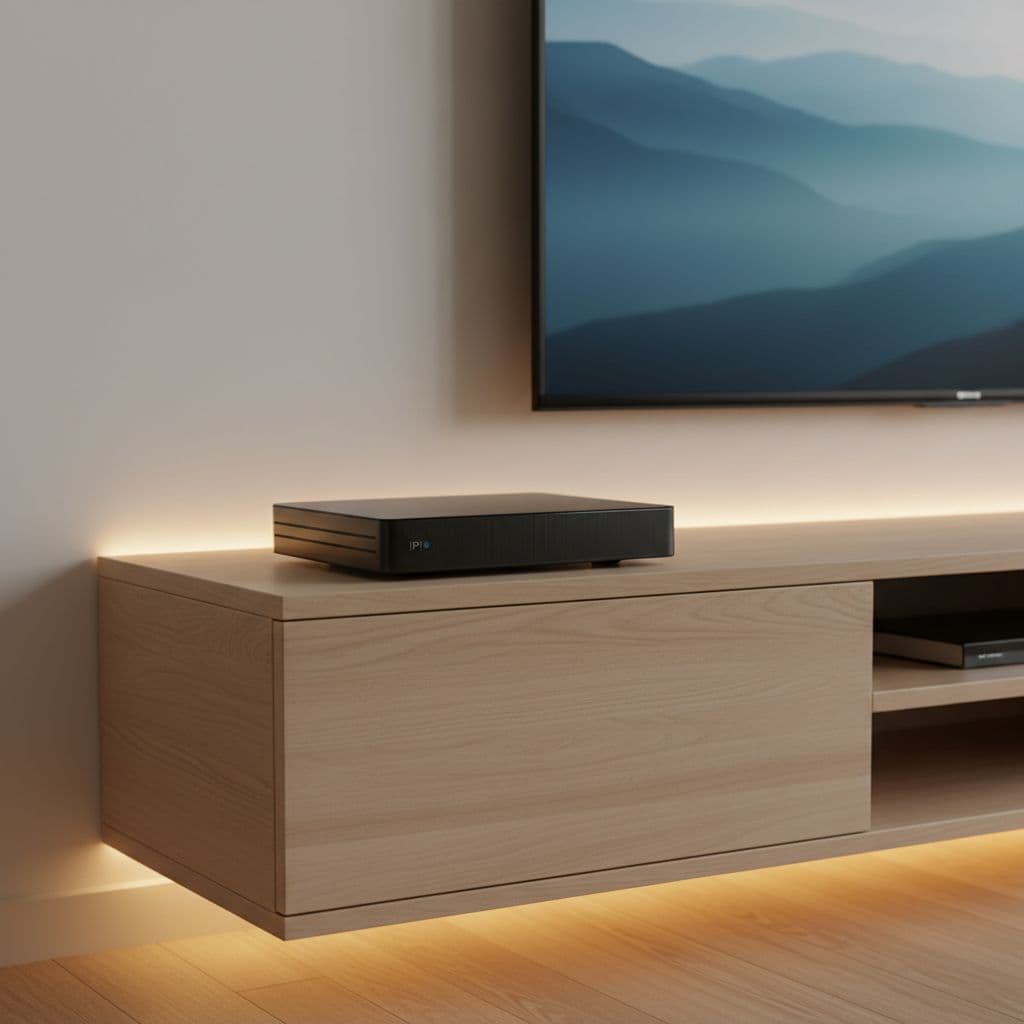
Picture support is just as important. A box that handles higher resolutions, such as 1080p or 4K, can give you a sharper image when your TV and service support it. If the box cannot keep up, the picture may look soft, and fast scenes may lose detail.
Before buying, check these basics:
- Processor power for smooth menus and quick channel changes
- Memory so apps stay open and responsive
- Storage space for updates and installed apps
- Video support that matches your TV, especially if you want 4K
A strong box does not just look better on paper. It keeps the viewing experience steady when you switch channels, open apps, or settle in for a long movie.
Remote control, app support, and ease of setup
A simple remote can make a bigger difference than many buyers expect. Clear buttons, a good layout, and quick access to home, back, and volume controls save time every day. If the remote feels awkward, the whole system feels harder than it should.
App support matters just as much. The best IPTV box is one that works with the streaming and IPTV apps you already use, so you are not stuck with a device that fights your setup. Before you buy, check whether the box supports the apps you want without extra workarounds.
Quick setup also matters. When a box connects fast and asks for only a few steps, you spend less time troubleshooting and more time watching. That is especially helpful if you are setting up a living room TV for family use or helping someone who does not want a complicated process.
A good setup experience usually includes:
- Easy sign-in and app installation
- Clear menu options
- A remote that feels natural in the hand
- Basic settings that are simple to find
The best boxes reduce friction at every turn. You press a button, the screen responds, and the whole system feels ready.
Wi-Fi, Ethernet, and connection stability
Internet speed matters, but stability matters more. A fast connection that drops in and out will still cause buffering, audio delay, or frozen video. For IPTV, steady performance usually beats raw speed.
Wi-Fi is convenient because it keeps the setup clean and simple. It works well when the box is close to the router and the signal is strong. However, walls, distance, and interference can weaken the signal and cause problems during busy viewing times.
Ethernet is the safer choice when you want the steadiest connection. A wired setup gives the box a direct link to your network, which often helps with live channels and high-quality streams. If your TV area allows it, Ethernet is the more reliable option.
A strong internet connection is just as important as the box itself. If the network is weak, even a good device can struggle. For the best results, match a capable box with a connection that stays solid when the stream gets busy.
How to Set Up IPTV with a Box the Right Way
Setting up IPTV with a box is usually simple when you follow the steps in the right order. The goal is to get the box connected, sign in cleanly, and check that the picture, sound, and channels all work before you settle in.
A careful setup saves time later. It also helps you avoid the small problems that turn a quick install into a long evening of guessing.
What you need before you start
Before you touch the remote, gather the basics. That keeps the setup smooth and avoids stopping halfway through to hunt for a cable.
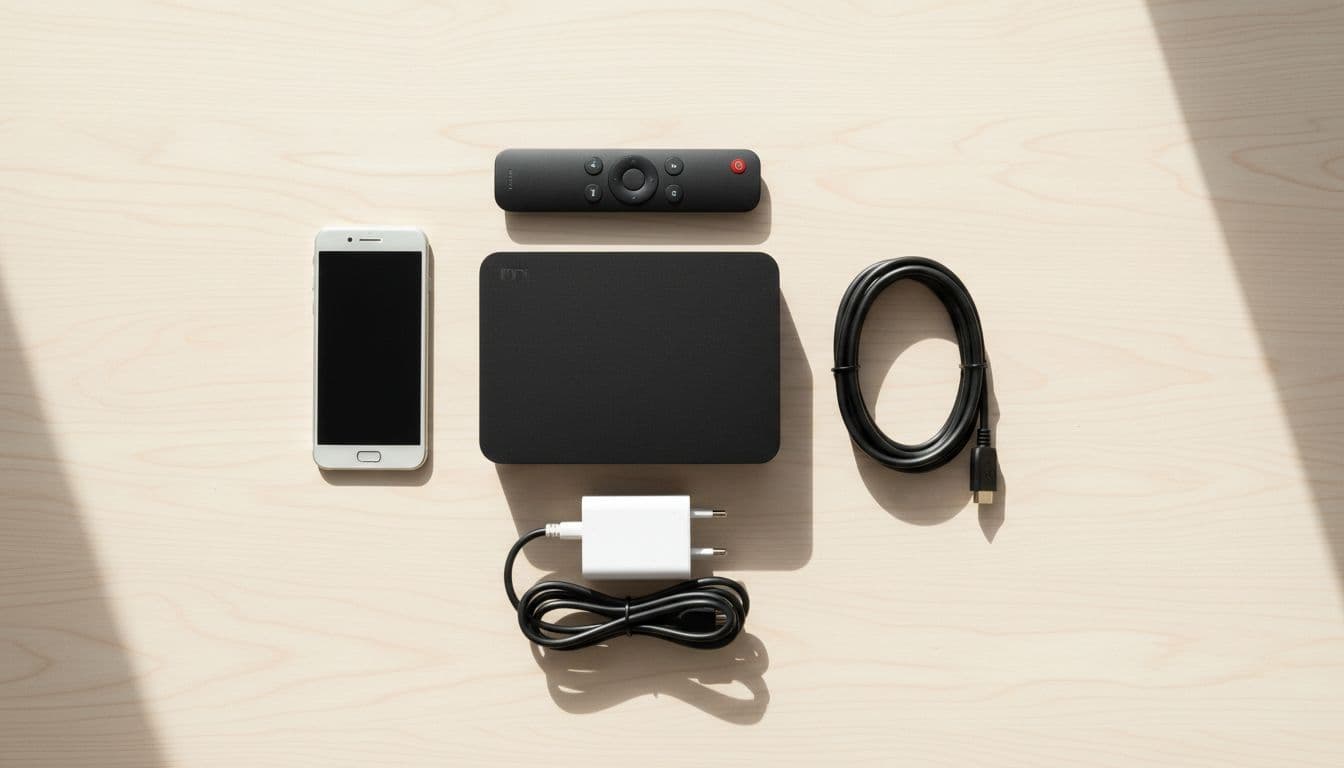
You will usually need:
- A TV with an open HDMI port
- An IPTV box with its remote
- An HDMI cable to connect the box to the TV
- A power source for the box
- A stable internet connection, preferably with Wi-Fi or Ethernet
- Your IPTV service details or app login
- A smartphone, tablet, or email access if you need to confirm an account or scan a code
If your box uses batteries in the remote, add those before you begin. It also helps to know your Wi-Fi name and password ahead of time.
Basic setup steps most people can follow
Start by plugging the IPTV box into power, then connect it to the TV with the HDMI cable. After that, switch the TV to the correct HDMI input so the box appears on screen.
Next, connect the box to your internet. If you can use Ethernet, that is often the steadier choice. Otherwise, choose your Wi-Fi network and enter the password.
Once the box is online, open the IPTV app or sign in with the service details you were given. Some services ask for a username and password, while others use a code or playlist link. Follow the on-screen prompts one step at a time.
After login, let the app load your channel list or content library. Then test a live channel, a movie, and the menu navigation. If everything opens cleanly, your setup is ready.
Common setup problems and quick fixes
A few issues show up often, and most have simple fixes. Buffering usually points to a weak internet signal, so try moving closer to the router, switching to Ethernet, or restarting the router and box.
Login errors often come from a typo, an expired account, or the wrong service details. Double-check the username, password, or playlist link before you try again.
If you get no sound, check the TV volume, the box audio settings, and the HDMI cable connection. A black screen can mean the TV is on the wrong input, the cable is loose, or the box needs a reboot.
When the picture still looks off, unplug the box for a minute and restart it. That simple reset clears many small setup glitches before they turn into bigger ones.
How to Tell if an IPTV Service Is Worth Trusting
A good IPTV box can make viewing easier, but the service behind it does the real work. If the stream is weak, the support is vague, or the pricing changes without warning, the box won’t save the experience. That is why it helps to judge the provider first and the hardware second.
The safest choice is usually the one that feels steady, honest, and easy to understand. Flashy channel lists and big promises can hide thin service. Consistency is what you want, because TV should feel dependable every time you press play.

Signs of a reliable provider
Reliable IPTV providers usually feel organized from the start. Their streams stay stable during normal use, their menus respond without lag, and their service pages explain what you are buying in plain language. If the same channels and features work day after day, that is a good sign.
Clear support is another green flag. Look for contact options that are easy to find, plus helpful answers that explain setup, billing, or playback problems without making you guess. A provider that responds clearly before you buy is often easier to deal with after you buy.
Pricing should also be simple to follow. You should know the plan price, the renewal terms, and any added costs before you pay. A provider with a solid track record usually sounds calm and specific, not loud and overconfident.
A quick way to judge trust is to look for consistency in three areas:
- Stream quality that stays steady
- Support that gives clear, direct answers
- Pricing that is easy to read and hard to misinterpret
When those parts line up, the service usually feels built for real use, not just for a quick sale.
Red flags that should make you pause
Some warning signs show up fast, and you should pay attention to them. Constant buffering, sudden drops, or channels that fail at the same time every day point to a weak service. A good box cannot cover for a provider that struggles to keep video moving.
Vague support is another problem. If the only contact method is buried, slow, or full of copy-paste replies, getting help later may be painful. Hidden fees and surprise renewal terms are just as bad, because they turn a simple subscription into a moving target.
Be careful with huge channel claims, too. A service that promises every premium channel, every sports feed, and every movie library at once may be overselling what it can really deliver. That kind of claim often comes with poor quality or short-lived access.
Keep these warning signs in mind:
- Frequent buffering during normal viewing
- Support that avoids direct answers
- Extra charges that appear late
- Channel lists that sound unrealistically large
If a provider pushes speed, volume, and hype but skips the basics, step back. Trust usually grows from steady service, not bold promises.
Why legal and licensed content matters
The way content is offered matters just as much as the picture on the screen. When a service is built around licensed content, it tends to be clearer about what you get and how long access should last. That usually means fewer surprises, fewer broken links, and fewer service changes that leave you stuck.
There is also a practical side to this. Services that operate without proper rights can disappear, lose channels, or change access rules without much warning. If that happens, your box still works, but the service itself becomes unreliable.
Licensed content also helps protect you from low-quality setups and risky payment practices. A provider with legitimate distribution is more likely to handle billing, updates, and support in a way that feels stable. In other words, the content source affects both quality and peace of mind.
A strong IPTV setup starts with a service you can trust, because hardware only delivers what the provider can keep alive.
Before you commit, ask a simple question: does this service look built for long-term use, or does it just look impressive for one night? That answer tells you a lot.